
Dog Eye Injuries: Emergency or Not?

A dog races through the backyard chasing a ball, disappears briefly into the bushes, and returns with one eye half-closed and watering. Situations like this happen quickly, and they often leave pet owners wondering whether they are looking at a minor irritation or a true emergency. Dog eye injuries can vary widely in severity. Some involve simple debris or mild irritation, while others affect delicate structures inside the eye and require immediate veterinary care. Because the eye is both sensitive and complex, small injuries can escalate quickly if left untreated. Understanding the common symptoms of eye trauma in dogs can help you decide when to seek urgent care and when monitoring at home may be reasonable. If you are uncertain, professional evaluation is the safest choice to protect your dog’s vision.
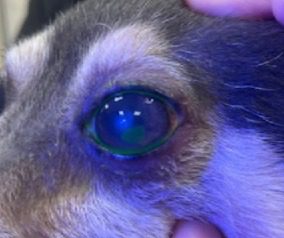
Understanding Dog Eye Injuries and Why They Matter
Dog eye injuries occur more often than many pet owners expect. Dogs explore their surroundings with enthusiasm, and their eyes are exposed to sticks, dust, grass seeds, and accidental scratches. Trauma can also occur during play with other animals, during grooming, or even from rubbing the face against rough surfaces. Because the cornea, the clear surface of the eye, is extremely delicate, even minor trauma can create irritation or infection.
When veterinarians evaluate dog eye injuries, they look for signs affecting different structures of the eye. These structures include the cornea, conjunctiva, eyelids, tear ducts, and deeper internal tissues. Injuries can range from corneal abrasions and scratches to ulcers, inflammation, or blunt trauma that affects the eye socket. Certain conditions may initially appear mild but progress rapidly if bacteria invade damaged tissue.
Eye injuries in dogs also cause significant discomfort. Dogs cannot easily protect an injured eye, so they often paw at their face or rub against furniture, which can worsen the damage. This is one reason we recommend prompt evaluation. Quick treatment can reduce pain and lower the risk of long-term vision problems.
What It Could Mean if Your Dog’s Eye Is Swollen
A swollen eye in a dog often signals irritation, trauma, or inflammation somewhere within the eye or surrounding tissues.
Pet owners frequently notice swelling alongside other symptoms. A dog may squint, keep one eye closed, or produce excessive tears. The eye may appear red, cloudy, or sensitive to light. These symptoms can indicate corneal scratches, ulcers, inflammation of the conjunctiva, or trauma to deeper structures.
Common causes of swollen eyes in dogs include:
- Scratches from branches, grass, or debris
- Foreign objects such as seeds or dust
- Play injuries involving other dogs or cats
- Corneal ulcers or infections
- Allergic reactions affecting the eyelids
- Trauma from accidental bumps or impacts
- Glaucoma, increased pressure inside the eye
While mild irritation can sometimes improve with rest and limited exposure to irritants, swelling combined with pain or vision changes requires veterinary attention. Because the eye heals quickly but deteriorates quickly as well, veterinarians prefer to examine eye injuries sooner rather than later. Advanced diagnostics, such as fluorescein staining and checking the pressure in the eye, allow veterinary teams to identify scratches, ulcers, glaucoma, and other hidden issues.
Signs a Dog Eye Injury May Be an Emergency
Some eye injuries require immediate veterinary care. Vision loss and severe pain can develop rapidly when certain eye structures become damaged.
The following symptoms are particularly concerning:
- One eye held tightly closed
- Sudden cloudiness or bluish appearance of the eye
- Visible scratches, cuts, or bleeding near the eye
- Bulging or abnormal eye position
- Thick discharge or pus from the eye
- Extreme sensitivity to light
- Sudden vision problems or bumping into objects
Prompt treatment can often protect vision and relieve discomfort. In many cases, early intervention prevents complications that would otherwise require more complex treatment later.
How Long Do Dog Eye Injuries Take to Heal?
Healing time for dog eye injuries varies depending on the type and severity of the damage. Minor corneal scratches may improve within a few days when treated appropriately. The cornea has remarkable healing ability because it contains rapidly regenerating cells. When injuries remain superficial, the eye can recover fairly quickly.
More serious injuries require longer recovery periods. Corneal ulcers, infections, or deeper trauma may take several weeks to resolve. In many cases, we may recommend that your pet wear an Elizabethan collar. This is to ensure that your pet does not rub or scratch at the eye which may delay healing. It is crucial that if recommended, that your pet wear the collar at ALL TIMES.
In some cases, veterinarians monitor healing closely with follow-up exams to ensure the injury is improving rather than worsening.
Protecting Your Dog’s Eyes From Future Injuries
While accidents cannot always be prevented, certain habits may reduce the risk of dog eye injuries. Dogs that run through wooded areas or thick brush may experience more exposure to branches and debris. Regular grooming and observation also help identify early signs of irritation.
Pet owners can reduce eye injury risks by:
- Monitoring dogs during rough play with other animals
- Keeping long facial hair trimmed near the eyes
- Avoiding exposure to dusty or windy environments when possible
- Checking the eyes after outdoor activities
- Scheduling routine veterinary wellness exams
Regular exams give veterinarians the opportunity to detect early eye problems before they become serious. Early detection allows veterinary teams to address issues quickly and protect long-term eye health.
When Eye Symptoms Should Prompt a Call to Timberline Veterinary Emergency & Specialty
Eye problems often appear suddenly, and deciding what to do next can feel stressful for pet owners. Because vision is so important to a dog’s quality of life, veterinary professionals treat eye injuries with a high level of urgency. Even injuries that appear minor can worsen within hours if deeper tissues become affected.
If your dog develops symptoms consistent with eye injuries, such as swelling, squinting, discharge, or cloudiness, professional evaluation offers the safest path forward. The veterinary team at Timberline Veteirnary Emergency and Specialty evaluates urgent eye conditions 24 hours a day, provides initial treatment, and can identify when an ophthalmologist should be involved in care.
If your dog shows signs of a possible eye injury, call 206-828-6868 to speak with the veterinary team. Prompt evaluation can make a meaningful difference in comfort, recovery, and long-term vision.
Recent Posts
About Us
Timberline Veterinary Emergency & Specialty is a locally owned, veterinarian-led hospital founded in 2023 by Dr. Laura Ahlgrim, Dr. Beth Davidow, and Dr. Chris Bailey. As Seattle residents, we understand that pets are family—and when emergencies arise, you need care you can trust. Our mission is to provide exceptional emergency and specialty services with compassion, transparency, and medical excellence. We're here to support your pet’s health while fostering a stronger, kinder veterinary community.