
How to Keep Your Cat from Jumping After Surgery

Cats are natural climbers with an instinct to leap onto countertops, windowsills, and furniture. While this agility is part of their charm, it becomes a challenge after surgery. If you’re wondering how to keep your cat from jumping after surgery, you’re not alone. Many pet owners face the same struggle in the days and weeks following their cat’s procedure. Protecting your cat’s healing incision and giving them time to recover safely is one of the most important steps you can take. This blog explores practical strategies that help limit activity so your cat can heal comfortably.
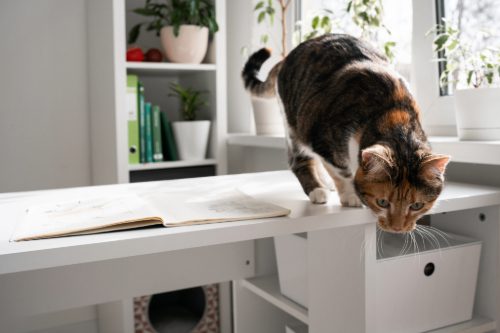
Why Preventing Jumping Is So Important
Cats don’t understand the need for rest after surgery. A single leap onto a counter or couch can strain stitches, cause swelling, or slow the recovery process. Even small jumps onto low furniture can put unnecessary pressure on their incision.
Limiting activity doesn’t mean your cat has to feel unhappy, it simply means creating a controlled, safe environment that minimizes the risk of injury. Knowing how to keep your cat from jumping after surgery helps reduce complications, shortens recovery time, and brings you peace of mind.
Preparing Your Home Environment
Setting up your home before your cat returns from surgery is one of the most effective ways to limit risky behavior. Cats are naturally curious, and if you’re wondering how to keep your cat from jumping after surgery, planning ahead makes a big difference. By creating a recovery-friendly space, you reduce temptation while giving your cat the comfort they need.
Limiting Access to High Furniture
One of the most important steps is removing access to tall surfaces such as beds, counters, and windowsills. You can block rooms with baby gates, close doors, or rearrange furniture temporarily to remove climbing options. Some pet owners even move a mattress to the floor if their cat insists on sleeping near them, which removes the risk of jumping onto a high bed.
Using a Large Dog Crate for Rest
A spacious dog crate provides a controlled space that prevents jumping while still allowing your cat to move, stretch, and rest. Place soft bedding inside, along with food, water, and a small litter box. The crate should be large enough for comfort but not so big that your cat can build momentum for leaps.
Small, Jump-Free Rooms
If a crate feels too restrictive, a small room such as a bathroom or laundry room works well. Make sure the space doesn’t have counters, shelves, or furniture your cat can climb on. This helps your cat stay calm while reducing the temptation to jump.
Using Distraction Techniques
Cats recovering from surgery often try to return to their old routines out of boredom. Introducing safe distractions helps redirect that energy. Puzzle feeders, treat-dispensing toys, and interactive play with feather wands (done gently, without encouraging big leaps) keep your cat’s mind engaged while discouraging risky movement. The more entertained your cat feels, the less likely they are to seek out high places.
Creating a Restful Atmosphere
Dimming the lights, playing soft music, and keeping the home environment quiet supports relaxation. A calm setting helps your cat settle into rest, making it easier to avoid sudden bursts of energy that could lead to jumping.
Create a Safe Resting Space
One of the most effective ways to manage your cat’s activity is to set up a designated recovery area. Cats are curious by nature, so creating an environment where jumping isn’t possible is essential.
Comfort and Familiarity
Adding blankets, toys, and even a piece of your clothing can help your cat feel at ease. A stress-free environment makes recovery smoother and less frustrating.
The Role of Pain Medication in Recovery
Pain control often plays an important role in reducing a cat’s urge to move around too much. When prescribed by your veterinarian, pain medication can make your cat more comfortable during recovery and may cause mild drowsiness. This natural calming effect lowers their desire to climb or jump.
Consistent use of medication, when indicated by your veterinary team, supports healing and helps keep your cat relaxed. If you have questions about your cat’s specific needs, the best step is always to consult your veterinarian for guidance.
Managing Energy Levels
Cats can become restless, especially if they’re used to having free roam of the house. Knowing how to keep your cat from jumping after surgery often involves balancing rest with safe ways to keep them entertained.
Spend Time Together
Sitting with your cat in their recovery area helps reduce stress. Talking softly, brushing them gently (if they allow), or simply being nearby provides comfort and keeps them calmer.
Limit Visitors and Noise
Recovery is easier in a calm environment. Too many visitors, loud music, or sudden noises may startle your cat and trigger attempts to escape or jump.
Monitoring Your Cat’s Behavior
Even with precautions, cats can be unpredictable. Monitoring is an important part of learning how to keep your cat from jumping after surgery.
Signs of Restlessness
Watch for pacing, scratching at doors, or vocalizing. These may signal that your cat is frustrated or uncomfortable. Redirecting their attention with quiet interaction or a safe toy can help.
Signs of Overexertion
Licking or pawing at the incision, signs of swelling, or sudden bursts of activity are cues to gently settle your cat back into their resting space.
Daily Check-Ins
Setting aside time to observe your cat’s behavior and comfort level helps you catch changes early and make adjustments to their environment.
Gradual Return to Normal Activity
Recovery is a step-by-step process. Your cat won’t need strict rest forever, but patience is key. As your veterinarian gives clearance, your cat can slowly regain access to larger spaces and activities.
Controlled Access to Furniture
Start by supervising short periods outside their crate or small room. Blocking off couches, beds, or windowsills during these early sessions helps prevent risky jumps.
Rebuilding Confidence Safely
Offer low perches or step stools that make climbing easier once your veterinarian approves more movement. This gives your cat a sense of normalcy without straining their healing body.
Supporting Your Cat’s Recovery with Timberline
Understanding how to keep your cat from jumping after surgery is an important part of protecting their health. With careful management, the right environment, and support from your veterinary team, your cat has the best chance of healing well.
At Timberline Veterinary Emergency and Specialty, our experienced team in Seattle provides advanced care tailored to every pet’s unique needs. If you ever have questions about your cat’s recovery or need support, call us at 206-828-6868. We’re here to guide you every step of the way.
Recent Posts
About Us
Timberline Veterinary Emergency & Specialty is a locally owned, veterinarian-led hospital founded in 2023 by Dr. Laura Ahlgrim, Dr. Beth Davidow, and Dr. Chris Bailey. As Seattle residents, we understand that pets are family—and when emergencies arise, you need care you can trust. Our mission is to provide exceptional emergency and specialty services with compassion, transparency, and medical excellence. We're here to support your pet’s health while fostering a stronger, kinder veterinary community.