How to Cheer Up Your Dog After Surgery

Watching your dog recover from surgery can stir up a lot of emotions: worry, relief, and the hope that brighter days are ahead. Pets can feel groggy, confused, or even a little sad after an operation, and as their loving caregiver, you naturally want to bring comfort and encouragement. If you’ve wondered how to cheer up your dog after surgery, this blog will walk you through practical ways to provide emotional support, create a calm environment, and help them feel safe as they heal.
Why Your Dog May Seem Sad After Surgery
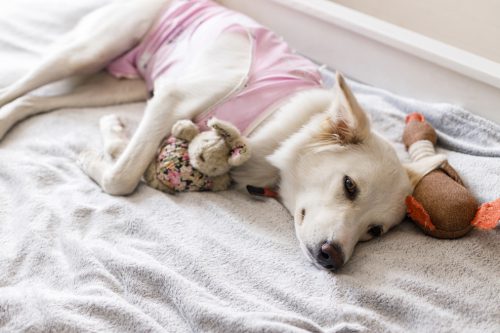
It’s not unusual for pet owners to notice changes in behavior following surgery. Dogs may appear quieter, less playful, or even withdrawn. This can leave you wondering how to cheer up your dog after surgery when they seem so unlike themselves.
Common Emotional Changes After Surgery
Several factors can contribute to these shifts in mood:
- Anesthesia aftereffects can cause grogginess or disorientation.
- Physical discomfort may lower your dog’s energy levels.
- Restricted activity can be frustrating for active pets used to running and playing.
- Unfamiliar sensations like stitches, bandages, or protective collars may make them unsettled.
Recognizing that these changes are a normal part of recovery will help you approach your dog with patience and reassurance.
Creating a Calm and Comfortable Space
One of the best answers to how to cheer up your dog after surgery is to set up a healing space that helps them feel secure and cared for. Dogs recovering from an operation often need quiet and calm surroundings.
Setting Up a Recovery Zone
Think of this area as your dog’s safe haven. It should include:
- A cozy bed with extra blankets for warmth and comfort.
- Limited foot traffic to reduce noise and overstimulation.
- Easy access to food and water without needing to climb stairs.
- Soft lighting to promote rest.
By creating this peaceful environment, you make it easier for your dog to rest, which plays a big part in lifting their spirits.
Offering Gentle Companionship
If you’re still wondering how to cheer up your dog after surgery, consider the role of your presence. Dogs are social animals, and your companionship can provide comfort when they feel vulnerable.
Ways to Provide Emotional Reassurance
- Sit nearby while they rest to remind them they’re not alone.
- Speak softly in a calm and reassuring tone.
- Offer gentle petting if your dog seeks contact.
- Spend quiet time together without encouraging too much activity.
Your closeness helps reduce stress and provides the emotional boost your dog needs during recovery.
Mental Stimulation Without Physical Strain
A common challenge in figuring out how to cheer up your dog after surgery is balancing mental engagement with limited physical activity. Active dogs may grow restless if they can’t run or play.
Safe Mental Enrichment Ideas
Here are some ways to keep your dog’s mind busy while respecting their recovery restrictions:
- Puzzle toys that require licking or light pawing.
- Gentle training exercises focusing on cues like “watch me” or “touch.”
- Interactive feeders that turn mealtime into an engaging activity.
- Frozen treats (if approved) that provide safe chewing and licking fun.
Mental stimulation helps prevent boredom and provides a sense of normalcy, which can brighten your dog’s mood during recovery.
Supporting Your Dog’s Emotional Needs
Part of learning how to cheer up your dog after surgery is recognizing the emotional side of healing. Just as humans benefit from encouragement and care, dogs thrive when their needs for security and affection are met.
Building Positive Associations
You can help your dog form good associations with their recovery routine:
- Offer praise when they remain calm.
- Provide comfort items like a favorite blanket or toy (if safe to use).
- Introduce small rewards for cooperative behavior during quiet activities.
Small gestures of kindness reassure your dog that even though life feels different right now, they are still safe, loved, and valued.
Managing Your Dog’s Activity Levels
Pet owners often ask how to cheer up your dog after surgery when strict activity restrictions are in place. It can be difficult for both you and your pet to slow down daily routines.
Safe Alternatives to Exercise
While your dog may not be able to go on long walks or run in the yard, you can still provide gentle alternatives:
- Short leash walks to the yard for bathroom breaks.
- Calm indoor interactions that don’t strain healing areas.
- Comforting routines that keep your dog feeling secure without overexertion.
Balancing activity restrictions with emotional support will help your pet remain both safe and comforted during recovery.
Understanding the Role of Patience
Sometimes the best answer to how to cheer up your dog after surgery is simply giving them time. Healing (both physically and emotionally) doesn’t happen overnight.
The Importance of Consistency
Dogs benefit from consistent care while recovering:
- Stick to predictable routines to minimize stress.
- Allow ample rest between short bursts of engagement.
- Offer reassurance regularly to ease confusion or sadness.
Patience helps your dog regain confidence and return to their usual personality as they heal.
When to Reach Out for Support
If you ever feel unsure about how your dog is recovering, professional guidance is available. While you may focus on how to cheer up your dog after surgery, our team of experts at Timberline Veterinary Emergency and Specialty can provide insight and support when recovery doesn’t seem to follow a normal path.
Partnering with Your Veterinary Team
- Discuss your concerns if your dog seems unusually sad or restless.
- Seek reassurance on what behaviors are normal during healing.
- Ask about additional ways to provide comfort at home.
At Timberline Veterinary Emergency and Specialty, our team in Seattle is dedicated to supporting pets and their families during recovery. If you have questions about your dog’s progress, call us at 206-828-6868 for guidance.
Helping Your Dog Find Joy Again
Recovering from surgery can temporarily affect your dog’s energy and happiness, but with your support, brighter days are ahead. By creating a calm space, offering companionship, providing mental enrichment, and practicing patience, you’ll find multiple answers to how to cheer up your dog after surgery. Most importantly, your care and love serve as the greatest source of comfort. At Timberline Veterinary Emergency and Specialty, we’re here to guide you every step of the way. If you have concerns during your dog’s recovery, call 206-828-6868 to speak with our team.
Recent Posts
About Us
Timberline Veterinary Emergency & Specialty is a locally owned, veterinarian-led hospital founded in 2023 by Dr. Laura Ahlgrim, Dr. Beth Davidow, and Dr. Chris Bailey. As Seattle residents, we understand that pets are family—and when emergencies arise, you need care you can trust. Our mission is to provide exceptional emergency and specialty services with compassion, transparency, and medical excellence. We're here to support your pet’s health while fostering a stronger, kinder veterinary community.